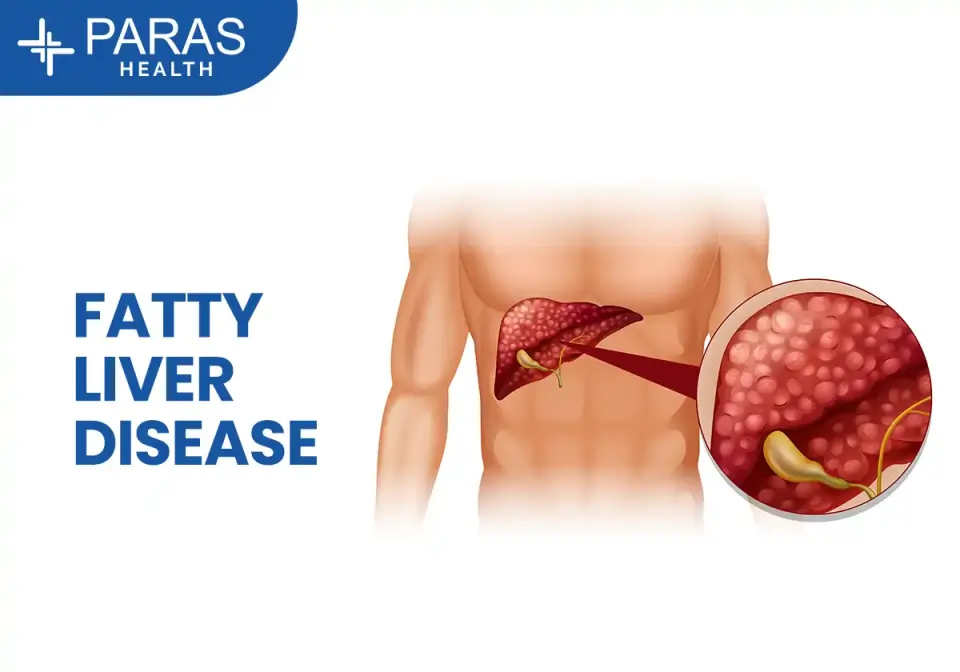

How to Reduce SGPT Quickly and Naturally


If your recent blood report showed high SGPT levels, don’t panic. You’re not alone, and more importantly, it can be managed. Let’s understand what SGPT is, why it rises, and most importantly, how to reduce SGPT quickly and naturally.
What is SGPT?
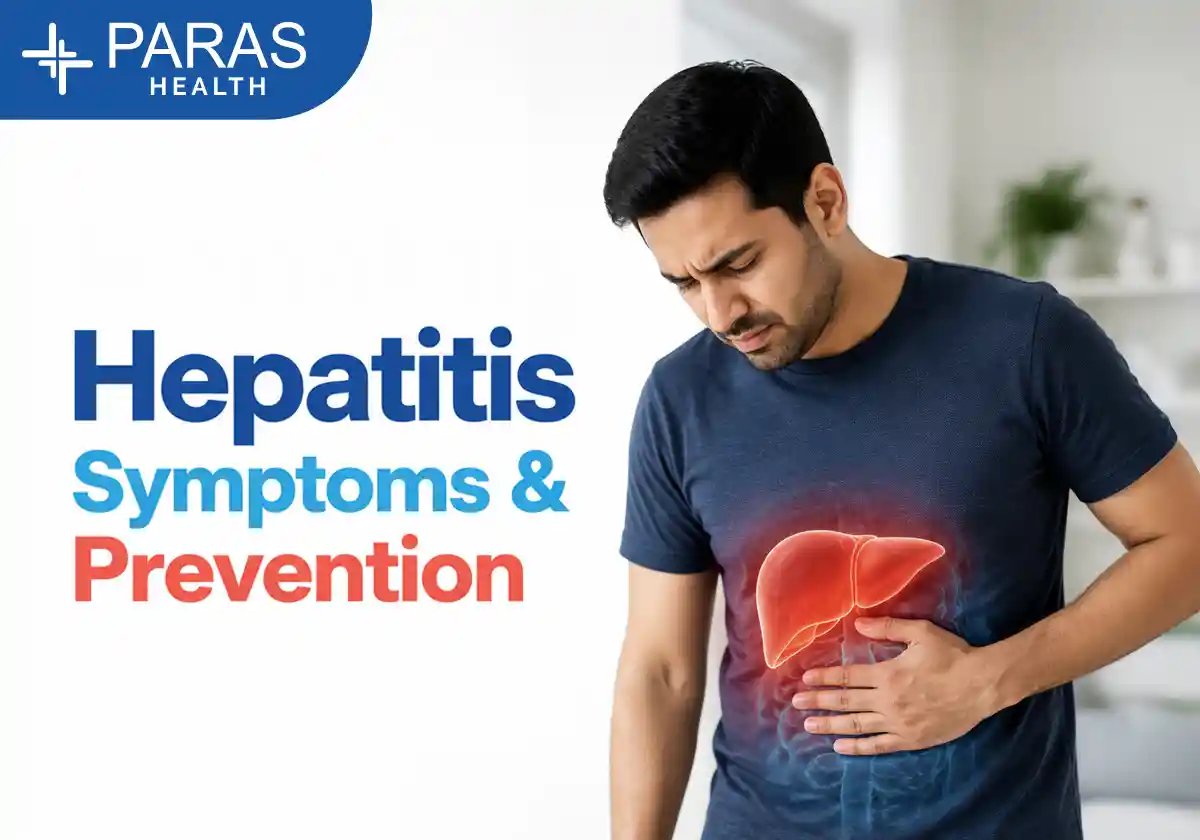
SGPT (Serum Glutamate Pyruvate Transaminase), also called ALT (Alanine Aminotransferase), is an enzyme found in the liver. It plays a role in breaking down proteins. A high SGPT level usually means that your liver is inflamed or injured.
Normal Range of SGPT
- For men: up to 45 U/L
- For women: up to 34 U/L
Anything beyond these numbers might need attention.
Common Causes of High SGPT Levels
Before we jump into solutions, here are some possible reasons your SGPT levels may be high:
- Fatty liver (alcoholic or non-alcoholic)
- Obesity
- Excess alcohol consumption
- Certain medications (painkillers, statins, antibiotics)
- Viral hepatitis (A, B, C)
- Diabetes or insulin resistance
- Lack of physical activity
How to Reduce SGPT Quickly: 9 Simple & Natural Steps
1. Adopt a Liver-Friendly Diet
The food you eat directly affects your liver health. Focus on:
- Fresh fruits and vegetables (especially beetroot, carrot, and leafy greens)
- Whole grains like oats and brown rice
- Healthy fats (olive oil, nuts, seeds)
- High-fiber foods
Avoid:
- Fried or processed foods
- Sugary drinks
- Excess salt and red meat
2. Cut Out Alcohol Completely
Alcohol is toxic to liver cells. Even occasional drinking can worsen liver inflammation. Stopping alcohol can bring SGPT levels down within weeks.
3. Stay Hydrated
Drink 2.5 to 3 liters of water daily. Hydration supports liver detox and helps flush out toxins that can raise SGPT levels.
4. Exercise Regularly
A sedentary lifestyle is a major cause of fatty liver and high SGPT. Aim for:
- 30 minutes of brisk walking, 5 days a week
- Yoga or stretching to support liver and gut health
Tip: Start slow and be consistent. Weight loss also helps lower SGPT.
5. Try Home Remedies
Some natural ingredients have shown promise in reducing SGPT levels:
- Amla (Indian gooseberry): Rich in antioxidants
- Turmeric: Natural anti-inflammatory agent
- Aloe vera juice: Soothes the digestive system
- Papaya leaves or seeds: May help reduce liver enzyme levels
Note: Always check with a doctor before starting any herbal remedies.
6. Avoid Unnecessary Medications
Overuse of painkillers (paracetamol, ibuprofen), antibiotics, or supplements can damage your liver. Take medicine only under supervision.
7. Sleep Well and Manage Stress
Lack of sleep and chronic stress can worsen inflammation. Get at least 7–8 hours of quality sleep. Try:
- Meditation
- Deep breathing
- Reducing screen time before bed
8. Get Tested for Underlying Issues
If SGPT levels stay high for weeks or months, get tested for:
- Hepatitis B or C
- Liver ultrasound to check for fatty liver
- Blood sugar and cholesterol levels
Early detection leads to better recovery.
9. Follow Up Regularly
Retest your SGPT levels every 4–6 weeks. Track your progress and consult a doctor if levels don’t improve.
Foods That Help Lower SGPT
Here are some liver-friendly foods to add to your plate:
- Garlic: Boosts liver enzyme production
- Green tea: Contains antioxidants called catechins
- Beetroot: Rich in betalains that support detox
- Lemon water: Promotes hydration and digestion
- Avocados: Healthy fats support liver repair
FAQs on SGPT Reduction
How long does it take to lower SGPT?
With lifestyle changes, SGPT can improve in 4–8 weeks.
Can SGPT be reduced without medicine?
Yes, mild to moderate SGPT elevation can often be managed naturally through diet, exercise, and avoiding alcohol.
Is high SGPT dangerous?
Not always. Mild elevation isn’t serious, but persistently high levels may indicate liver damage.
Can stress increase SGPT?
Indirectly, yes. Stress can contribute to poor lifestyle habits that affect liver health.
Final Thoughts
If you're wondering how to reduce SGPT quickly, the key is consistent effort with food, exercise, hydration, and medical supervision. It’s not about a one-time fix but building habits that keep your liver strong for the long run.
Take action today: Eat clean, stay active, skip alcohol, and consult a healthcare expert if needed. Your liver will thank you!