

Fiber Rich Vegetables You Should Start Eating Today for Better Digestion
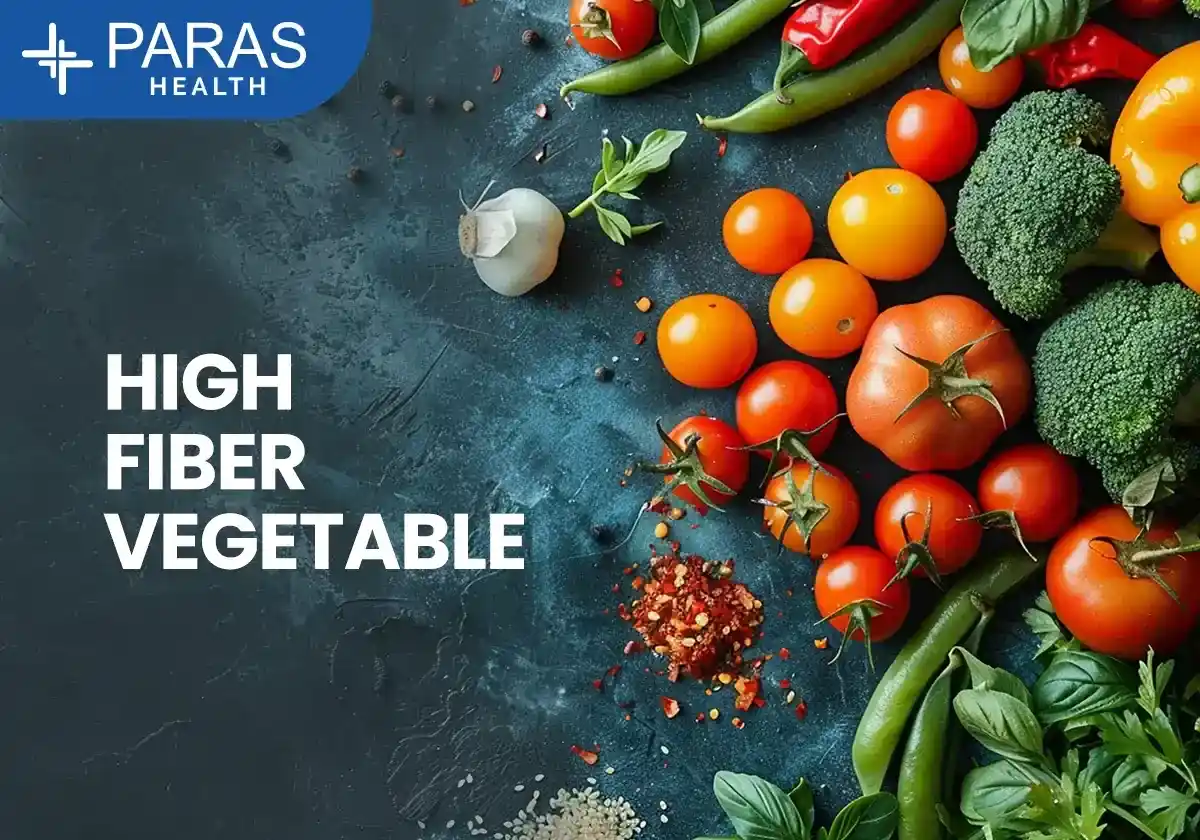
TABLE OF CONTENTS
- What is Dietary Fiber?
- Top Fiber Rich Vegetables List
- Best Fiber Rich Vegetables for Digestion
- Fiber Rich Vegetables for Weight Loss
- Fiber Rich Vegetables for Diabetes Control
- Fiber Rich Vegetables You Should Eat Daily
- How Much Fiber Do You Need Daily?
- Easy Ways to Add More Fiber to Your Diet
- Fiber Myths vs Facts
- Precautions While Increasing Fiber Intake
- When to Consult a Doctor
- Key Facts About Fiber Rich Vegetables
- Conclusion
- FAQs

In today’s fast-paced lifestyle, our diet often lacks balance—even when we think we’re eating “healthy.” The first signs usually show up in our digestion—constipation, bloating, or frequent hunger.
This is where a small change can make a big difference—fiber-rich vegetables.
Fiber is not just about keeping your stomach clean; it plays a much bigger role in your overall health. It supports gut health, helps manage weight, keeps blood sugar levels stable, and even promotes heart health.
The best part? You don’t need expensive supplements to get enough fiber. Your everyday vegetables are one of the simplest and most effective sources.
Let’s understand which vegetables are rich in fiber and how you can easily include them in your daily diet.
What is Dietary Fiber?
Dietary fiber is a type of nutrient found in plant-based foods that your body cannot fully digest. But that’s exactly what makes it powerful.
There are two types of fiber:
Soluble Fiber
- Dissolves in water
- Helps reduce cholesterol
- Controls blood sugar levels
Insoluble Fiber
- Adds bulk to stool
- Helps prevent constipation
- Improves bowel movement
Vegetables are one of the best natural sources of both types of fiber, making them essential for a fiber-rich diet.
Top Fiber Rich Vegetables List
Here are some of the best vegetables high in fiber that you can easily include in your meals:
|
Vegetable |
Fiber Content (Approx) |
Health Benefits |
|
Broccoli |
2.6g per 100g |
Improves digestion, boosts immunity |
|
Spinach |
2.2g per 100g |
Good for gut health and iron levels |
|
Carrot |
2.8g per 100g |
Supports digestion and eye health |
|
Beetroot |
2.0g per 100g |
Helps detox and improves blood flow |
|
Sweet Potato |
3.0g per 100g |
Keeps you full, supports weight loss |
|
Green Peas |
5.0g per 100g |
High in fiber and protein |
|
Cabbage |
2.5g per 100g |
Supports gut health |
|
Cauliflower |
2.0g per 100g |
Low calorie, high fiber |
|
Okra (Bhindi) |
3.2g per 100g |
Helps control blood sugar |
|
Pumpkin |
2.0g per 100g |
Good for digestion and immunity |
Best Fiber Rich Vegetables for Digestion
If you struggle with constipation or bloating, increasing fiber intake can help naturally.
Best vegetables for digestion:
- Spinach (Palak)
- Bottle gourd (Lauki)
- Carrot
- Beans
These vegetables improve bowel movement by adding bulk and making stool easier to pass.
Fiber Rich Vegetables for Weight Loss
Looking to lose weight? Fiber can be your best friend.
High fiber vegetables:
- Keep you full for longer
- Reduce unnecessary snacking
- Help control calorie intake
Best low-calorie, high fiber vegetables:
- Cucumber
- Zucchini
- Broccoli
- Leafy greens
Adding these to your meals supports healthy and sustainable weight loss.
Fiber Rich Vegetables for Diabetes Control
Fiber slows down sugar absorption in the body, making it essential for people with diabetes.
Best vegetables for diabetes:
- Bitter gourd (Karela)
- Beans
- Carrots
- Spinach
These vegetables help:
- Maintain stable blood sugar levels
- Improve insulin sensitivity
Fiber Rich Vegetables You Should Eat Daily
We have plenty of desi vegetables rich in fiber that are easily available and affordable.
Common Indian high fiber vegetables:
- Lauki (Bottle gourd)
- Tinda
- Bhindi (Okra)
- Palak (Spinach)
- Methi (Fenugreek leaves)
- Gajar (Carrot)
Including seasonal vegetables in your diet ensures better nutrition and digestion.
How Much Fiber Do You Need Daily?
Most people don’t get enough fiber in their daily diet.
Recommended daily intake:
- Men: 30–38 grams
- Women: 21–25 grams
Unfortunately, modern diets are often low in fiber, leading to digestive and metabolic issues.
Signs You Are Not Eating Enough Fiber
Your body gives signals when fiber intake is low.
Common symptoms:
- Constipation
- Bloating
- Sudden weight gain
- Irregular bowel movement
- Feeling hungry often
If you notice these signs, it’s time to increase your fiber intake.
Easy Ways to Add More Fiber to Your Diet
Improving fiber intake doesn’t require major changes.
Simple tips:
- Add vegetables to every meal
- Start your meal with salad
- Choose whole foods over processed food
- Include seasonal vegetables
- Drink plenty of water
Small changes can make a big difference.
Fiber Myths vs Facts
1. Myth: Fiber is only for digestion
Fact: It also helps heart health, weight loss, and diabetes control
2. Myth: Supplements are enough
Fact: Natural fiber from vegetables is always better
3. Myth: More fiber is always better
Fact: Too much fiber suddenly can cause bloating
Precautions While Increasing Fiber Intake
- Increase fiber gradually
- Drink enough water
- Avoid sudden dietary changes
- IBS patients should consult a doctor
When to Consult a Doctor
- Chronic constipation
- Severe bloating
- Blood in stool
- Ongoing digestive discomfort
Early consultation can prevent complications.
Key Facts About Fiber Rich Vegetables
- Fiber improves digestion and gut health
- Helps in weight management
- Supports heart health
- Controls blood sugar levels
- Essential for daily diet
Conclusion
Fiber-rich vegetables are one of the simplest ways to improve your overall health. Whether your goal is better digestion, weight loss, or diabetes control, adding the right vegetables to your plate can make a significant difference.
FAQs
1. Which vegetables are highest in fiber?
Vegetables like green peas, broccoli, sweet potato, and okra are among the highest in fiber. Including a variety ensures better intake.
2. Are cooked vegetables still high in fiber?
Yes, cooking does not remove fiber. However, overcooking may reduce some nutrients, so light cooking is best.
3. Can fiber help with constipation instantly?
Fiber improves bowel movement, but results may take a few days. Drinking water along with fiber is important.
4. Which Indian vegetables are rich in fiber?
Lauki, bhindi, palak, methi, and carrots are excellent fiber-rich Indian vegetables.
5. How much fiber should I eat daily?
Adults should consume around 21–38 grams of fiber daily depending on age and gender.
6. Are fiber supplements better than vegetables?
No, natural fiber from vegetables provides additional nutrients and is always a healthier choice.
7. Can too much fiber be harmful?
Yes, excessive fiber can cause bloating and gas. It should be increased gradually.
8. Which vegetables are best for weight loss?
Cucumber, broccoli, spinach, and zucchini are low in calories and high in fiber, making them ideal for weight loss.
9. Is fiber good for diabetes patients?
Yes, fiber helps control blood sugar levels and improves insulin response.
10. What happens if you don’t eat enough fiber?
Low fiber intake can lead to constipation, poor digestion, weight gain, and increased risk of chronic diseases.

 Eng .webp)